
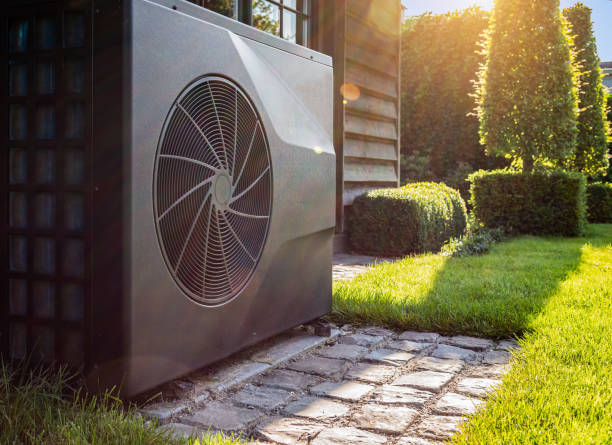
Testing & Quality Check are the essential final hurdles that separate a “quick fix” from a reliable, long-term solution. Once a repair is completed, a technician should never simply pack up their tools; instead, they must perform a series of rigorous diagnostic tests to ensure the system is operating within the manufacturer’s specific parameters. This involves checking the “sub-cooling” and “superheat” levels to verify that the refrigerant charge is exact, as even a slight overage or shortage can significantly shorten the life of the compressor. Quality checks also extend to electrical stability, where a technician uses a multimeter to ensure the startup amperage is within the safety limits of the circuit breaker, preventing future electrical fires or nuisance trips.
Beyond the internal mechanics, a comprehensive quality check involves a holistic assessment of the entire home’s airflow and drainage environment. This includes “smoke testing” or using thermal imaging to detect air leaks at the plenum or duct connections that might have been disturbed during the repair. A professional will also cycle the unit through at least two full cooling or heating sequences to confirm that the thermostat accurately communicates with the control board and that the condensate drain system handles moisture without backup. By documenting these final readings—often provided to the homeowner in a digital “job completion” report—the technician provides a verifiable baseline that proves the system is not only running but is running at its highest possible efficiency.
Related Posts
 When to Repair vs. Replace Your AC Unit
 Choosing the Right AC Repair Technician: What to Look For