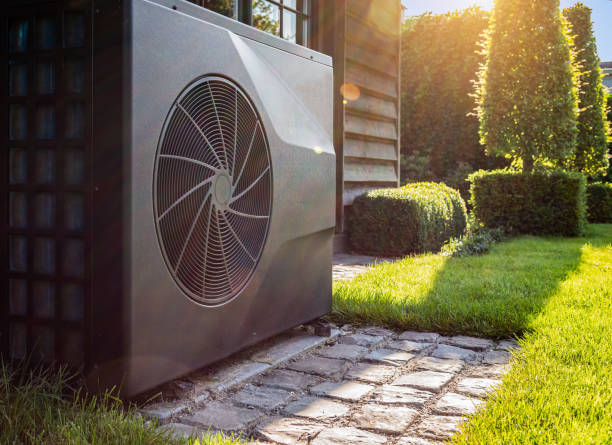

While some air conditioning issues can wait for a scheduled tune-up, certain symptoms serve as urgent warnings that your system is on the verge of a total breakdown or, worse, posing a safety risk. One of the most critical red flags is the presence of unusual odors, such as a pungent, “fried” electrical smell or a sulfurous, rotten-egg scent. An electrical smell often indicates that the insulation on the wiring has begun to melt due to overheating, while a gas-like odor can signal a leak in nearby lines—both of which require an immediate system shutdown to prevent a fire. Similarly, if you hear metal-on-metal grinding or loud, rhythmic clattering, the internal bearings or fan blades may have detached. Continuing to run a unit in this state can turn a simple part replacement into a catastrophic failure that destroys the entire compressor.
Performance-based signs can be just as urgent, particularly when they involve moisture or cycling patterns. If you notice significant pooling of water or an unidentified liquid leaking from the unit, you may have a refrigerant leak or a severe blockage in the drainage system. Refrigerant is toxic and essential for the cooling process; if levels drop too low, the compressor will overwork itself to the point of burnout. Furthermore, if your AC begins to “short-cycle”—turning on and off every few minutes without ever completing a full cooling cycle—it is under immense electrical and mechanical stress. This rapid cycling is often a final cry for help from a failing capacitor or a dying motor, and ignoring it for even a few days can lead to a much more expensive replacement bill
Related Posts
 When to Repair vs. Replace Your AC Unit
 Choosing the Right AC Repair Technician: What to Look For