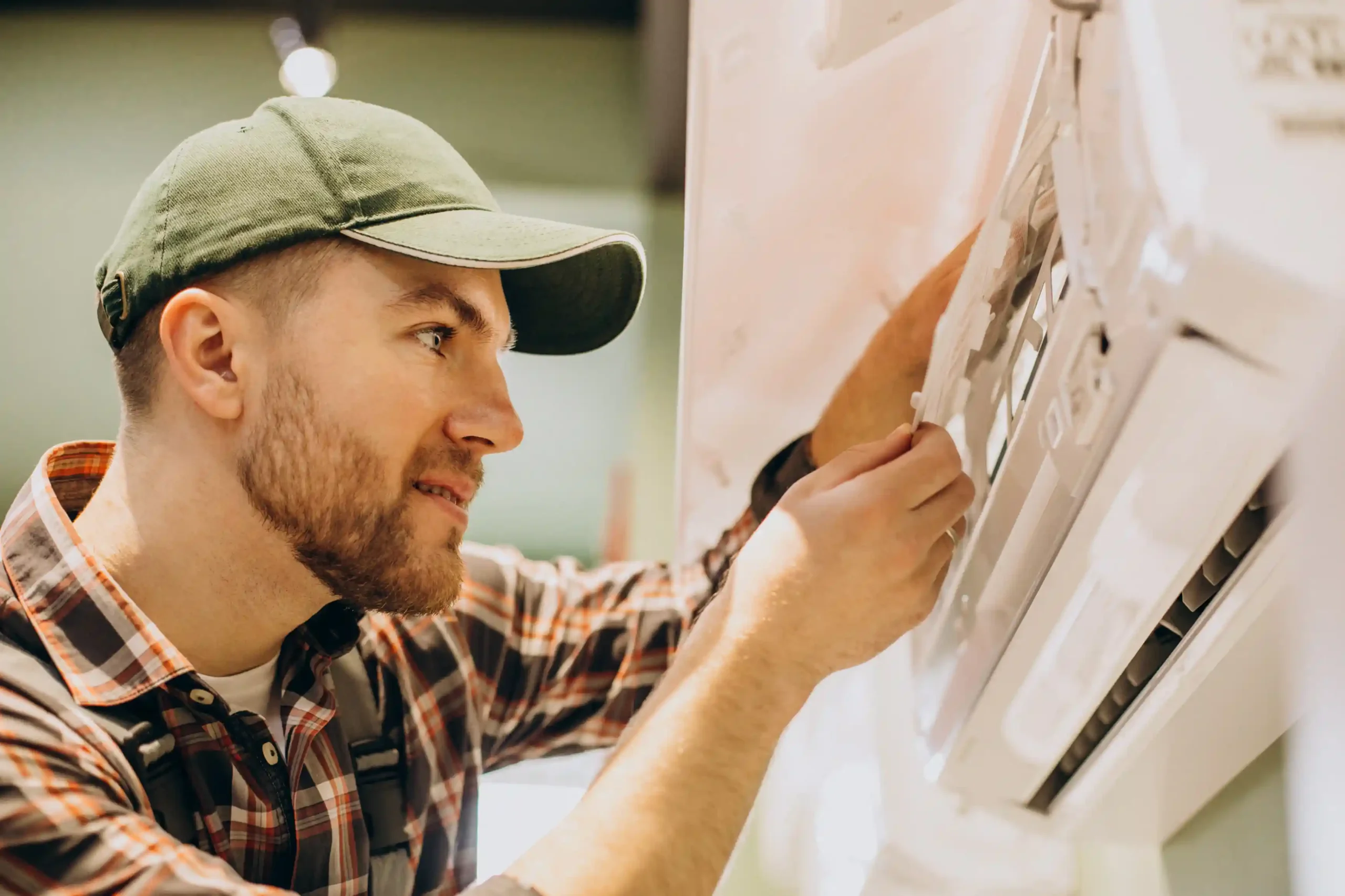
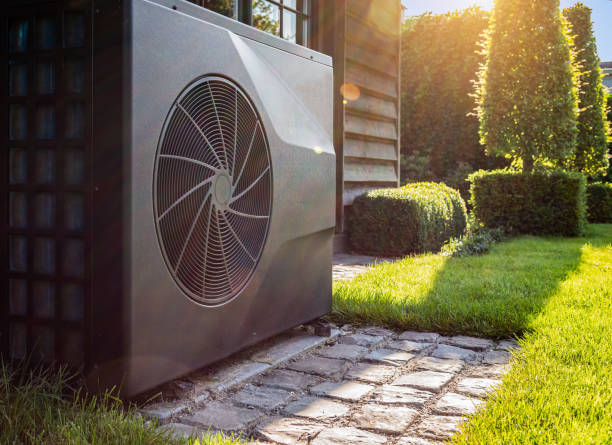
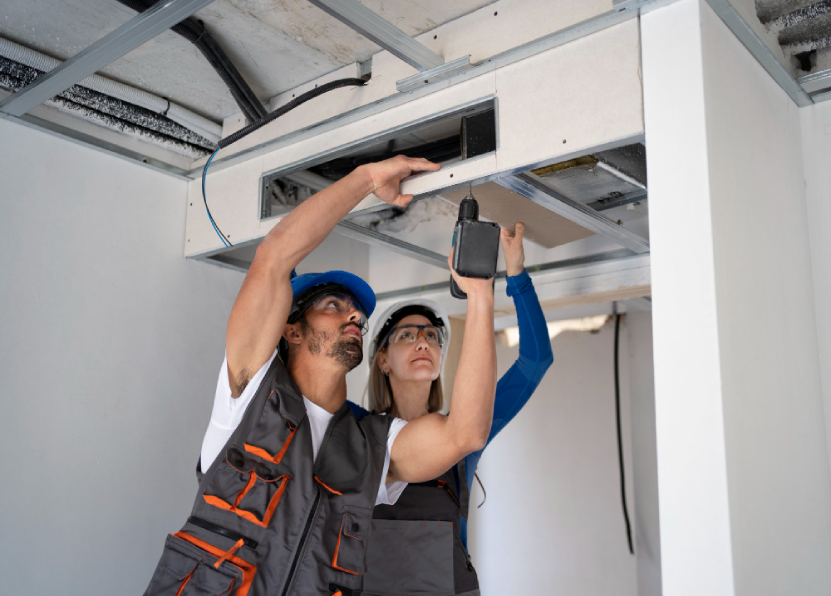
Plating and scheduling represent the final stages of the customer experience, bridging the gap between a technical fix and long-term service reliability. Plating, in a professional service sense, refers to the final presentation and “finishing” of a job—ensuring that all panels are properly aligned, insulation is neatly wrapped, and the workspace is cleaner than when the technician arrived. This attention to detail isn’t just about aesthetics; it serves as a visual guarantee of the quality of the internal mechanical work. A unit that is “plated” correctly is less likely to suffer from vibrating panels or loose connections, which are common sources of noise complaints shortly after a repair.
Scheduling is the logistical engine that keeps these systems running efficiently, balancing the urgent needs of emergency repairs with the steady rhythm of preventative maintenance. Modern service providers use sophisticated routing software to minimize the “carbon footprint” of their fleet, ensuring that technicians spend less time in traffic and more time on-site. For the homeowner, effective scheduling means receiving accurate arrival windows and automated notifications that include the technician’s credentials and photo. By integrating these two elements—the precision of the final “plating” and the efficiency of the “scheduling”—service companies can ensure that the transition from a broken appliance to a fully restored system is as seamless and professional as possible.
Related Posts
 When to Repair vs. Replace Your AC Unit
 Choosing the Right AC Repair Technician: What to Look For